3 A.M. Wake-Ups and the Cannabis Sleep Loop: A Two-Week Reset for 2026

Waking up at 3 A.M. is its own kind of alarm clock. You went to bed tired. You used cannabis to shut your brain off. Then, a few hours later, you are wide awake, rehearsing tomorrow’s problems and wondering why the thing that was supposed to help you sleep has turned into part of the problem.
For some adults, nightly high-THC use can create a frustrating loop: cannabis helps with sleep onset, but sleep becomes fragmented later in the night. Tolerance builds, the dose creeps up, and the wind-down ritual starts to feel like a requirement rather than a choice. This article is not anti-cannabis. It is about responsible use—building a sleep routine that supports rest instead of chasing a stronger knockout punch.
Why the Nightly Knockout Can Backfire
THC can make people feel sleepy and can shorten the time it takes to fall asleep. That part is real. But sleep is not one uniform state. It cycles through lighter stages, deeper stages, and REM sleep. Cannabis can influence those cycles, and for some people, regular high-THC use is associated with lighter or more fragmented sleep later in the night.
There is also the tolerance issue. If you use a high dose every night, your body adapts. The same amount may stop producing the same effect, so you use more. Then, on a night without cannabis, sleep can feel worse—a rebound effect that makes the product seem essential.
This does not happen to everyone in the same way, and research is still catching up. But if your pattern is “fall asleep fast, wake up wired at 3 A.M., use more cannabis, repeat,” it is worth examining the dose and timing rather than simply increasing potency.
What CBD and CBN Can—and Can’t—Do
CBD is not a sedative in the way many people expect. It does not reliably knock you out. Some adults find it helpful for wind-down anxiety or general relaxation, but the evidence for sleep is mixed. Think of CBD as a possible support for a calm routine, not a guarantee of deeper sleep.
CBN is often marketed as the “sleep cannabinoid,” but the science is still thin. It may feel mildly sedating to some people, especially in combination with THC, but it is not a proven sleep treatment. Be skeptical of products that promise a pharmaceutical-style result. CBN is best approached as an optional experiment, not a magic bullet.
The bigger lever is usually THC timing and dose. A lower dose taken earlier in the evening may be gentler on sleep architecture than a high dose taken right before bed. For some adults, a balanced CBD-to-THC ratio feels more sustainable than a high-THC product alone.
The Two-Week Cannabis Sleep Reset
This reset is not a detox program or a medical protocol. It is a structured experiment to see whether your current routine is actually helping you sleep. If you use cannabis for a diagnosed medical condition, talk with your clinician before making changes.
Week 1: Audit, Taper, and Shift
Start by tracking your current pattern for three nights. Note the time you use cannabis, the dose, the product type, the time you fall asleep, and any middle-of-the-night wake-ups. Keep the notes simple.
Next, reduce your THC dose by about 25% to 50%, or switch to a product with a lower THC percentage. Move your use earlier in the evening—ideally three to four hours before bed—so the peak effect is not hitting right at lights-out. If you use edibles, remember that they can last longer than inhaled cannabis.
Add a CBD-only or CBD-dominant product about 30 to 60 minutes before bed if it feels supportive. Keep the dose modest and consistent. Do not add alcohol as a substitute. Alcohol fragments sleep too.
During this week, protect the basics: get morning light, limit caffeine after noon, keep your bedroom cool and dark, and go to bed at a consistent time. These are not filler tips. They are the foundation that cannabis cannot replace.
Week 2: Build the New Routine
In the second week, keep the earlier timing and lower dose. If you want to test CBN, choose a low-dose product and use it for a few nights, noting whether it actually changes your 3 A.M. wake-ups. If it does not, stop. Do not keep adding products just to avoid admitting that one did not work.
Try at least two cannabis-free nights this week. This helps you see whether your sleep is dependent on the product or whether your routine is doing the heavy lifting. If cannabis-free nights are miserable, that is useful information—and a reason to talk with a healthcare professional about dependence, anxiety, or another sleep issue.
Keep your wake-up time consistent, even on weekends. A stable morning schedule is one of the most powerful tools for resetting nighttime sleep.
Build a Wind-Down Ritual That Doesn’t Depend on a Dose
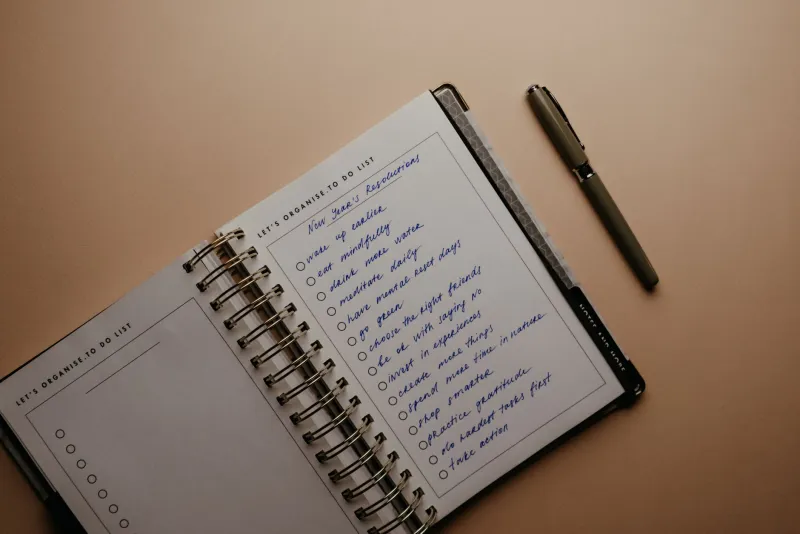
A sustainable wind-down plan has layers. Dim the lights an hour before bed. Put screens away or use a low-stimulation setting. Take a warm shower, stretch, or do a few minutes of slow breathing. Write down tomorrow’s tasks so your brain does not need to rehearse them at 3 A.M.
If you use cannabis, make it one part of the ritual, not the entire ritual. The goal is to teach your nervous system that bedtime is safe and predictable—with or without a product.
When to Talk to a Clinician
If you snore heavily, gasp for air, or feel exhausted despite enough time in bed, ask about sleep apnea. If you have persistent insomnia, severe anxiety, depression, or withdrawal symptoms when you stop cannabis, get professional support. Cognitive behavioral therapy for insomnia is effective and does not require medication.
Cannabis can be a useful tool for some adults, but it is not a sleep cure. The mindful approach is to use the smallest amount that helps, keep the routine flexible, and pay attention to what happens after the initial relaxation wears off. Your 3 A.M. wake-up is feedback. Listen to it, adjust, and build a wind-down plan that supports sleep for the long haul.