Aging, Cannabis, and the Hype Gap: A 2026 Field Guide for Skeptical Adults
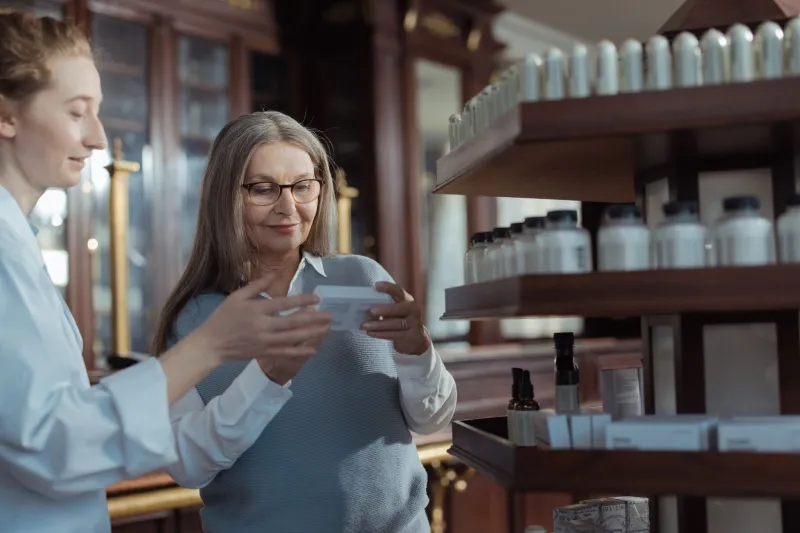
Walk into almost any dispensary in the U.S. and you will notice a new audience. Gray hair, reading glasses, and a lot of questions. Cannabis brands have noticed too. Suddenly there are tinctures for joint comfort, gummies for focus, and softgels promising something vague but soothing called healthy aging. The shelf looks like a pharmacy crossed with a spa. That is exactly why it deserves a closer look.
This is not a lecture against cannabis. Plenty of adults use it thoughtfully, and some find real relief. But the gap between what cannabis marketing says about aging and what the evidence supports is wide enough to drive a pickup through. If you are in midlife or beyond and curious about cannabis, the smart move is not blind enthusiasm or blanket rejection. It is a reality check.
Why Cannabis Got a Gray-Hair Makeover
For decades, cannabis culture was marketed mostly to younger people. That has shifted. Older adults are one of the fastest-growing groups of cannabis consumers in the country, and companies have noticed. The pitch is clever: cannabis is natural, therefore gentle, therefore good for whatever ails you. That logic is comforting. It is also not logic at all. Natural does not mean risk-free, and a plant does not become a longevity tool just because it comes in a amber bottle with a hemp leaf on it.
There is also a practical reason older adults are curious. Sleep gets choppier. Joints get crankier. Stress does not disappear. Prescription drugs come with side effects and interactions. Cannabis feels like it might be a softer option. Sometimes it is. Sometimes it is not. The only way to know is to look at the claim, the person, and the dose separately.
What the Evidence Actually Says
Cannabis research is still uneven. Federal restrictions have slowed good clinical trials for years, and many studies are small, short, or based on self-report. That does not mean there is no evidence. It means we should be precise about what the evidence can and cannot tell us.
Sleep
Some adults say cannabis helps them fall asleep. The research is mixed. THC may make people feel sleepy at first, but it can also disrupt sleep architecture over time. CBD has been studied for sleep, but the results are not strong enough to call it a reliable insomnia treatment. If cannabis helps you wind down, that is worth noting. If it becomes the only way you can sleep, that is worth discussing with a clinician.
Pain
For chronic pain, especially nerve pain, some studies suggest modest benefits from cannabis or cannabinoids. Modest is the key word. Cannabis is not a replacement for physical therapy, movement, or appropriate medical care. It may be one small part of a broader pain plan. It is not a cure for arthritis, and it will not rebuild a knee.
Mood
Low doses of CBD and THC are sometimes explored for anxiety, but the evidence is still early. THC can increase anxiety in some people, especially at higher doses. For mood, the safest takeaway is this: cannabis can change how you feel in the moment, but it is not a proven treatment for depression or long-term mood disorders. If you are using it to escape feelings rather than settle them, that is a signal to pause.
Cognition
This is where the longevity pitch gets especially slippery. Some marketing implies that cannabis or CBD protects the aging brain. Current evidence does not support that as a general claim. Heavy or long-term cannabis use has been associated with cognitive effects, especially in areas like memory and attention. Older adults already face age-related cognitive changes, and adding high-dose THC into the mix is not a neutral experiment. Low dose matters. So does frequency.
The Hype Gap: Four Questions Before You Buy
When a product promises better aging, run it through a simple filter.
- What exactly is the claim? Better sleep, less pain, sharper memory, or just a pleasant evening? Vague claims are a red flag.
- What is the evidence behind it? A traditional use story is not the same as a clinical trial. A single small study is not a guarantee.
- What is the dose and route? A 2.5 mg edible is a different experience from a high-THC vape or a concentrated tincture. Ask about milligrams, not just strain names.
- What is the risk for you? Consider your medications, blood pressure, balance, driving, and history with anxiety or substance use. Cannabis does not exist outside your body.
If a product cannot survive those questions, it belongs on the shelf, not in your routine.
A Low-Risk Routine That Does Not Pretend to Be a Cure
A sensible cannabis routine for aging adults starts small and stays boring. Pick one goal. Maybe it is relaxing before bed or taking the edge off a stressful evening. Choose a low-THC product, ideally with CBD, and start with a dose so small it feels almost silly. Two milligrams of THC is a reasonable starting point for many edible newcomers. Wait at least two hours before deciding it did nothing.
Keep it infrequent at first. Once or twice a week is easier to evaluate than daily use. Write down what you took, when you took it, and how you felt the next morning. Sleep quality, grogginess, mood, and balance are all worth tracking. Avoid mixing cannabis with alcohol, and do not drive after using it. If you feel dizzy or unsteady, sit down and skip the next session. Older adults are more vulnerable to falls, and a relaxing evening is not worth a broken hip.
Talking to a Clinician Without the Eye Roll
You do not need permission to discuss cannabis, but you do need honesty. Tell your clinician what you are using, how much, how often, and why. Bring the package if you are unsure about milligrams. Ask about interactions with blood pressure medication, blood thinners, sleep aids, and antidepressants. Ask whether your liver or kidney function changes anything. A good clinician will not shame you. If they do, find another one.
The goal is not to get a gold star for cannabis use. The goal is to make sure your choices fit your health, your medications, and your life. That is especially important in 2026, when cannabis products are stronger and more varied than ever.
The Bottom Line
Cannabis may have a place in some adults' wellness routines. It is not a longevity drug, a brain protector, or a universal sleep solution. It is a plant with real effects, real risks, and a lot of marketing noise around it. Treat it with the same skepticism you would bring to any supplement promising to turn back the clock. Start low, go slow, ask better questions, and keep your clinician in the loop. Aging is complicated enough without buying a bottle of hype.