The Functional High Is a Feeling, Not a Fitness Test
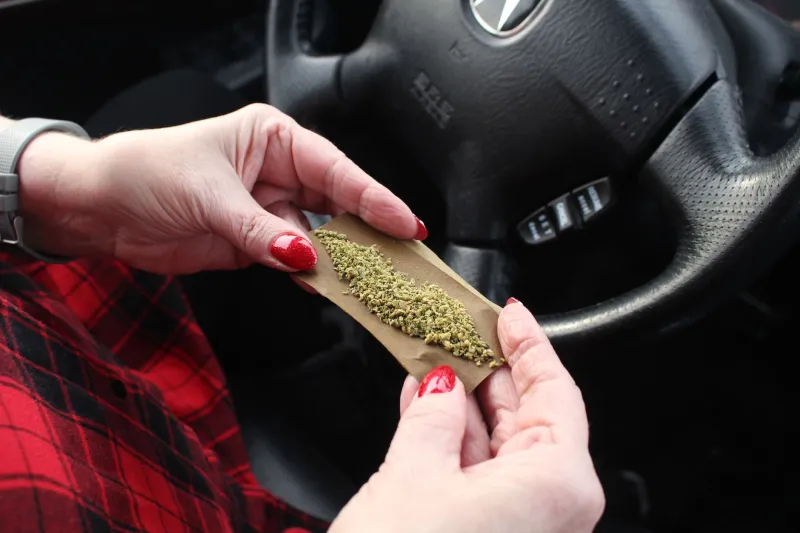
You feel fine. Maybe even sharp. You had a low dose, a familiar strain, or a product that usually makes you chatty instead of sleepy. So you grab your keys. That is the functional high trap.
Feeling functional is not the same as being safe to drive. It is a subjective vibe, not a fitness test. And in 2026, with cannabis legally available to adults in many US states, this is one of the most important responsible-use conversations we can have. The law does not care how productive you feel. Your reaction time, attention, and judgment may still be affected.
This is not an anti-cannabis argument. It is a pro-honesty argument. If cannabis is part of your wellness routine, your transportation plan should be part of that routine too.
Why 'functional' is a lousy safety standard
Impairment is not a light switch. Cannabis can affect divided attention, lane tracking, reaction time, and decision-making even when the user feels normal. Tolerance changes how high you feel, but it does not necessarily erase those performance effects. That is the blind spot. Your brain may feel used to operating under cannabis because it is used to operating under cannabis.
Energizing strains do not cancel impairment. A sativa label, a low THC percentage, or a familiar product does not make you exempt. Neither does the fact that you have done it before without a problem. Normalization is not evidence. It is just repetition.
Tolerance is a tricky witness
Daily consumers often report feeling less high from the same dose. That may be true subjectively. But reduced euphoria is not the same as reduced impairment. Someone can feel clear-headed and still show slower reactions in a driving simulator or a divided-attention task. The gap between how you feel and how you perform is exactly why self-assessment is unreliable.
Edibles make this trickier. You may feel nothing at 45 minutes, decide to drive, and then hit a much stronger peak two hours later. Re-dosing because the first dose has not kicked in is a classic path to an unpleasant and unsafe stretch of time. Edibles can last for many hours, and sleep does not automatically equal sober. A late-night edible can still be affecting you the next morning.
The boundaries that actually work
Plan before you use, not after. Decide how you are getting home before the first puff or the first gummy. Pick a designated driver who is not using cannabis or alcohol. Budget for a rideshare. Plan to stay overnight. Use public transit if it is safe and practical. Keep your keys out of the equation.
Set a strict rule: if I use, I do not drive. No exceptions for one hit, a low dose, or a product that feels mild. Treat edibles like a commitment. Block out enough time for onset, peak, and afterglow. If you are going to a party, hand your keys to a trusted friend before you use. Do not ride with an impaired driver, either. Speaking up can feel awkward, but it is far less awkward than the alternative.
What about legal risk
US cannabis laws are a patchwork. Legal possession in one state does not mean legal driving after use. Many states have DUI laws that cover cannabis, and roadside testing remains complicated. Field sobriety tests and officer observations still matter. Refusing a test can have consequences that vary by state. Do not assume that legal cannabis means legal driving.
The same logic applies to operating equipment, power tools, or anything else that requires steady attention. A functional high is not a license to take on risk. It is a signal to slow down and check your plan.
A mindful alternative script
Before a session, ask yourself three questions. How am I getting home? What is my hard stop time? Who is my backup? If you cannot answer all three, you are not ready to use outside your home. Keep snacks, water, and a timer nearby. Set an alarm for when you expect the peak. Make the safe choice the easy choice.
The functional high can feel pleasant and useful. It can make music sound better, chores feel easier, or conversation flow. None of that is the issue. The issue is mistaking a pleasant internal report for an objective safety certification. You are not a lab. You are a person who deserves a plan.
Cannabis wellness should not put you or anyone else in danger. If you use, do not drive. That simple boundary is not puritanical. It is practical, respectful, and far more reliable than a feeling.