Gut Check: A Mindful Cannabis Guide for Digestive Wellness in 2026
Walk into a dispensary this fall and you’ll hear plenty of wellness talk. Some of it is useful. Some of it is packaging. If your goal is better digestion, the smartest approach is to treat cannabis like any other wellness tool: start with the basics, keep doses modest, and pay attention to how your body responds.
The gut microbiome—the community of bacteria, fungi, and other microbes in your digestive tract—helps break down food, produce short-chain fatty acids, and support immune balance. The endocannabinoid system (ECS) is a signaling network involved in appetite, mood, sleep, and gut motility. The two systems appear to talk to each other. Cannabis can influence that conversation, but it is not a cure-all. The research is still young, and human trials are limited.
The Gut–Endocannabinoid Conversation
Your ECS includes receptors called CB1 and CB2. CB1 shows up in the brain and gut nervous system; CB2 is more associated with immune tissue. THC binds directly to CB1, which helps explain its psychoactive effects and its influence on appetite and nausea. CBD interacts more indirectly, affecting enzymes and receptors without the same intoxicating punch. Some early research suggests cannabinoids may influence gut barrier function and inflammation in animal models, but we should be careful about translating that into human promises. If you are managing a digestive condition, cannabis is not a substitute for medical care.
What the Science Says (and Doesn’t)
The honest answer is that cannabis and the microbiome are still a young field. We have preclinical studies, small observational reports, and a lot of consumer anecdotes. That does not make the topic worthless—it just means you should stay skeptical of anyone selling a strain as a gut cure. What we can say is that cannabis can affect appetite, motility, and stress response, and those pathways matter for digestion. It can also cause side effects like dry mouth, changes in appetite, or anxiety at high doses. For mindful adults, the goal is not to blast the ECS with high-THC products. The goal is to use cannabis—if you use it at all—in a way that supports routines rather than disrupts them.
Strain Selection: Look for Balance, Not Blastoff
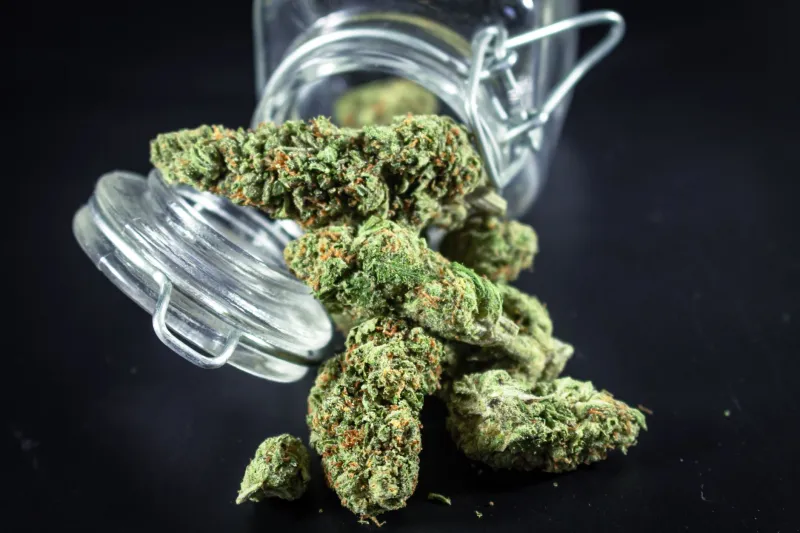
Strain names are not medicine. Batch-specific lab data matters more. For digestive wellness, many adults prefer CBD-dominant or balanced flower with modest THC. A few commonly discussed options include ACDC, Cannatonic, Harlequin, and Sour Tsunami. These are not prescriptions; they are starting points for a conversation with a knowledgeable budtender. Ask for lab results that show cannabinoids and terpenes, not just THC percentage. Beta-caryophyllene, limonene, and pinene are terpenes often mentioned in wellness circles, but terpene effects are personal. A strain that feels calm and settled to one person may feel foggy to another.
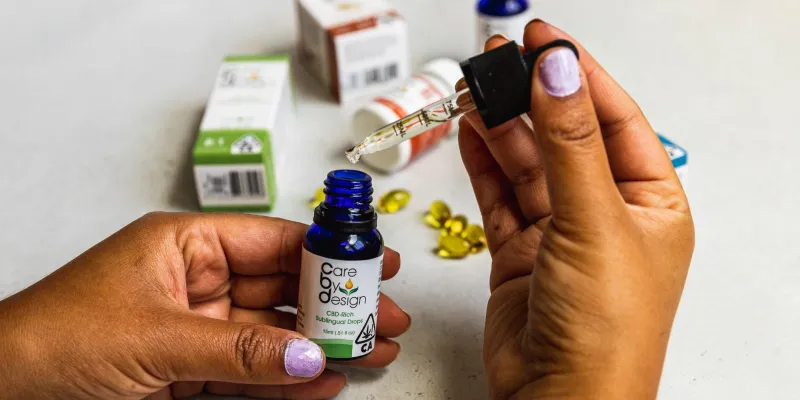
Consumption method matters, too. Combustion creates smoke and irritants; low-temperature vaporization or tinctures may be gentler options for some adults. Edibles can be tricky because they are processed through the liver and can hit harder and later. If you are new to edibles, avoid high-dose products and treat them like a slow-release experiment. Oils and tinctures can be easier to dose in small increments, especially when they have clear labeling.
Dosing for Comfort, Not Intensity
Low and slow is the cliché because it works. For edible beginners, 1–2.5 mg THC is a reasonable start; CBD-only products can be tried at 10–20 mg, though effects vary. Inhaled flower hits faster, so one or two puffs of a low-THC strain is plenty for a first test. Avoid combining high-dose edibles with alcohol or a heavy meal if you are trying to isolate effects. Keep a journal: time, dose, method, food, mood, digestion. Wait at least two hours before adding more edible. If you feel anxious or uncomfortable, remember that the experience is temporary and remove yourself from overwhelming stimulation.
A Seven-Day Plant-Based Routine (Cannabis Optional)
This routine is designed to support digestion first. Cannabis is an optional add-on, and only if it is legal where you live and appropriate for you.
Day 1: Fiber foundation. Start with oats, beans, lentils, berries, and leafy greens. Drink water steadily. Skip cannabis today and notice your baseline.
Day 2: Fermented foods. Add plain yogurt or kefir, sauerkraut, kimchi, or tempeh. If you tolerate cannabis well, try a low-dose CBD tincture after dinner.
Day 3: Hydration and movement. Take a 20-minute walk after lunch. Add water-rich foods like cucumber, zucchini, and oranges. No cannabis needed.
Day 4: Plant diversity. Aim for a colorful plate with seeds, herbs, and whole grains. Diversity feeds different microbes. Keep any cannabis dose minimal.
Day 5: Optional microdose day. If you use cannabis, try 2.5 mg THC with CBD, or one or two puffs of a balanced flower. Use a journal to note digestion, mood, and sleep.
Day 6: Social meal. Share a plant-based meal with fiber and fermented sides. If you drink alcohol, skip cannabis. Mixing can make it harder to judge effects.
Day 7: Rest and review. Eat simply, hydrate, and review your notes. Did cannabis help, do nothing, or distract? Use that information to guide future choices.
The Mindful Consumer’s Quick Checklist
Check your state law. Buy lab-tested products. Choose low doses. Avoid combustion if you are sensitive to smoke. Store edibles away from kids and pets. Do not drive after use. Talk to a clinician if you are pregnant, breastfeeding, taking medication, or managing a GI condition. And remember that the microbiome responds to fiber, sleep, stress, and movement—not just a cartridge or a gummy.
Bottom Line
Cannabis may influence the gut–endocannabinoid conversation, but it is one small input in a much larger system. For adult consumers who want to support digestive wellness in 2026, the best strategy is unglamorous: eat plants, keep doses low, buy tested products, and pay attention. Hype is easy to find. Balance takes a little more intention.