The Kettle Is the Dose: A Smoke-Free Cannabis Tea Routine for Slower Evenings
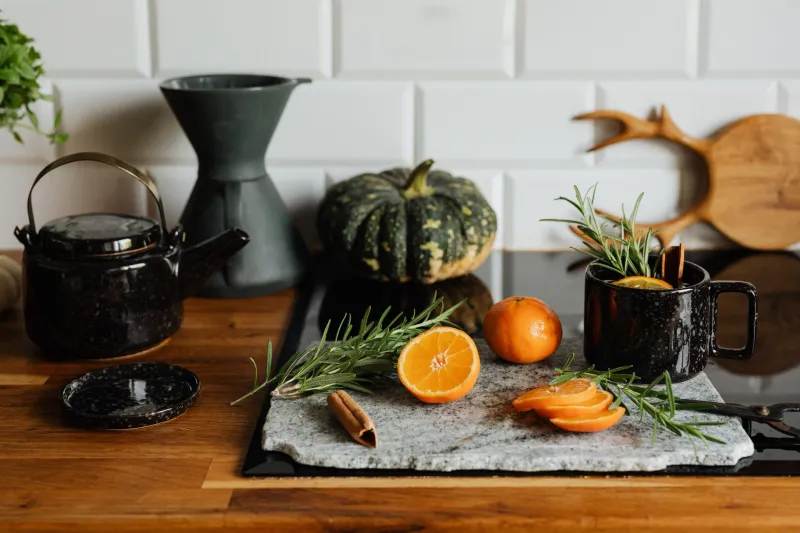
There is a specific kind of quiet that shows up around 8 p.m. in a lot of adult households. The dishes are mostly done. The dog has made its final lap around the yard. Nobody needs a spreadsheet from you until tomorrow. That is the moment a cannabis tea ritual can earn its place—not as a party trick, and not as a race to the highest feeling, but as a slow, repeatable way to close the day.
Tea is appealing because it is smoke-free and naturally paced. You cannot chug a hot cup the way you can crush a gummy or rip a vape. That built-in slowness matters, especially for adults who want something subtle: a softer shoulder drop, a little less mental static, maybe an easier slide into sleep. But tea also has a reputation for being unpredictable, and that reputation is earned when people skip the basics. Let us walk through the basics.
Why tea, and why now
In 2026, cannabis options are everywhere—drinks, tinctures, capsules, vapes, baked goods, and enough strain names to make your head spin. Tea stands out because the ritual is familiar even if the ingredient is not. You boil water. You warm milk. You wait. You hold a mug. There is no combustion, no cloud of vapor, and no performance element.
That said, smoke-free does not automatically mean risk-free or "healthier" in every context. It simply means you are not inhaling. The effects still come from cannabinoids, and the dose still matters. Think of tea as a gentle format, not a free pass.
Start with the math, not the mood
The hardest part of homemade cannabis tea is dosing. A cup made from flower is not standardized, and two batches made the same way can hit differently. Commercial THC teas and drink mixes are easier because they carry a label—follow that label, and start at the lowest serving if you are new or sensitive.
For DIY tea, you need a rough estimate. A common back-of-the-napkin formula is: grams of flower × 1,000 × THC percentage × decarboxylation efficiency. If you use 0.05 gram of 15% THC flower, that is about 7.5 milligrams of THC before decarbing. At roughly 85% efficiency, you are near 6.4 milligrams. Split that across three cups and you are in the 2-milligram range per serving. That is a low-dose starting point for many adults.
Do not treat that number as gospel. Homemade extraction is variable. Label your batch with the date, the amount of flower, and the estimated dose per cup. If math makes your eyes glaze over, use a commercial low-dose product or an infused butter or honey with a clear label. Guessing is how a cozy evening becomes a long night.
Decarb first, or the tea will not do much
Raw cannabis contains THCA, which is not intoxicating. Heat converts it into THC through decarboxylation. If you skip this step, you can make a perfectly nice-tasting beverage with very little effect—and then overcorrect next time.
A simple home method: grind the flower coarsely, spread it thin on a parchment-lined baking sheet, and bake at 240°F for 30 to 40 minutes. Some people use a covered mason jar to reduce odor. Let it cool fully before using. Expect some smell; ventilate the kitchen and keep the oven fan on. If you are using already-decarbed flower, an infused oil, or a commercial THC product, skip this step and follow the product directions.
The fat is the ferry
Cannabinoids are fat-soluble. Water alone will not carry them into a pleasant, predictable cup. You need fat—whole milk, coconut cream, butter, ghee, or MCT oil. Plant milks can work if you add a fat source, because many are low-fat by nature.
A gentle simmer is enough. Combine your decarbed flower with your fat-containing liquid, keep it around 160°F to 180°F for 15 to 20 minutes, and avoid a rolling boil. Strain through a fine mesh or cheesecloth. If you want a tea-like flavor, brew a decaf black tea or a rooibos blend separately and combine after straining. Add honey, cinnamon, or cocoa if that makes the ritual feel more like yours.
Build a cup you can repeat
A simple low-dose approach: warm one cup of whole milk or a fortified oat milk with one teaspoon of coconut oil. Add 0.05 gram of decarbed flower, simmer gently for 15 minutes, strain, and divide into three small cups. Or make a larger batch, refrigerate it, and reheat gently. Keep a written label on the jar. "Cannabis tea—2 mg per cup—made Nov. 11" is the kind of note your future self will appreciate.
If you are using a commercial THC tea, pour a low-dose serving and treat it like a cocktail: sip slowly, put the cup down between sips, and do not refill just because it tastes good.
Timing is part of the recipe
Edible-style cannabis effects usually arrive somewhere between 30 and 90 minutes, with a peak around 1.5 to 3 hours. Tea is not a vape. You will not feel it in five minutes, and that is the point. Set a timer. Sip over 20 to 30 minutes. Then wait at least two hours before deciding whether to have more.
The most common tea mistake is topping off too soon. The second most common is drinking a full batch because the first cup felt mild. Mild is the assignment. If you want a stronger effect, adjust the next batch, not the current evening.
Make the ritual do some of the work
The cannabis is only one ingredient. The rest is context: dim lights, a phone face-down on the counter, a warm mug, maybe a stretch on the floor or a few pages of a book. A tea ritual gives your body a cue that the day is shifting. That cue can be useful even on nights when you skip the cannabis entirely.
Keep alcohol out of the mix. Mixing cannabis with alcohol makes effects harder to read and raises the risk of overdoing it. Avoid driving after any THC product, even if you feel fine. And if you take prescription sedatives, sleep medications, or blood thinners, check with a clinician or pharmacist before adding cannabis.
Guardrails for the overconsumption crowd
Start low, go slow, and keep a journal for the first few weeks. Note the amount, the time, the food you ate, and how you felt at 1, 2, and 3 hours. Store cannabis tea in a labeled container, out of reach of kids and pets. Do not share homemade tea unless you can explain the dose. And skip cannabis altogether if you are pregnant or breastfeeding, have a history of psychosis, or have heart concerns unless a healthcare provider has okayed it.
A final note for 2026: cannabis laws vary by state, and tea made at home is not regulated the way commercial products are. Buy from legal sources, follow local rules, and treat homemade infusions with the respect you would give any other intoxicating substance.
A sample evening, loosely
At 7 p.m., warm the tea and strain it. At 7:15, take a few slow sips while the kitchen gets quiet. At 7:45, put the cup down and do something low-stakes—stretch, shower, or read. At 9 p.m., check in with yourself. If you feel pleasantly settled, leave it there. If you feel nothing, note it and adjust another day. The kettle is not a challenge. It is a pause button.
That is the real appeal of cannabis tea. It is not the fastest way in, and it is not supposed to be. It is a smoke-free, low-dose ritual for adults who want the evening to arrive slowly—and who are willing to let the waiting be part of the wellness.