Your 10-Minute Cannabis Effect Map: A Journaling Routine for Smarter Dosing
Most cannabis guidance boils down to low and slow. That advice is solid, but it leaves out a key detail: your low and slow is not your friend's low and slow. The same edible, the same number of puffs, the same tincture drops can land on two people in wildly different ways. A cannabis effect map is a way to stop guessing and start noticing your own timeline.
This is not a lab test, a medical recommendation, or a sobriety check. It is a personal journaling routine for adults 21 and older in states where cannabis is legal. Use it to understand your onset, peak, and afterglow so you can plan better, avoid overconsumption, and reduce unpleasant surprises.
What the span actually means
Onset is the first moment you notice something. Peak is when the effects feel strongest. Afterglow is the tail end, when the sharp edges fade but you may still feel relaxed, foggy, or a little slower than baseline. Your effect window is the whole stretch from first noticeable effect to the point where you feel back to your normal functional self.
Inhaled products often hit within minutes, while edibles can take much longer. But those general rules are not personal rules. Your body, tolerance, food intake, sleep, hydration, mood, and product formulation all influence the timeline. The map helps you learn your own pattern instead of borrowing someone else's.
The ten-minute setup
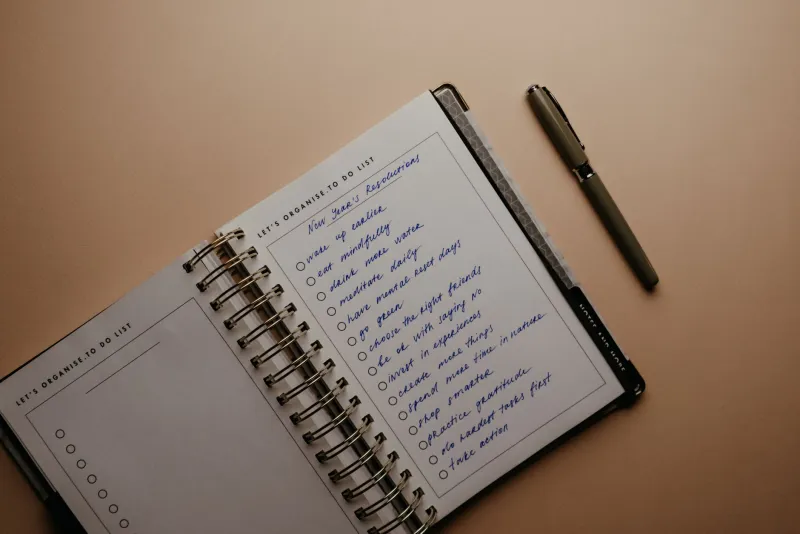
Pick one product and one session. Keep other variables as stable as you reasonably can. Use a notebook, a notes app, or a printed page. The ten minutes is not one long writing block. It is a few quick check-ins spread across the session, plus a short next-morning note.
Set a timer for 15, 30, 60, 120, and 180 minutes after use, depending on the product. Stay home or in a safe setting. Do not drive or operate equipment during the session. The point is observation, not performance.
Journal prompts to copy
Before use, log the date, product name, batch if available, product type, THC and CBD content if known, dose, method, time of use, last meal, hydration, sleep quality, mood, stress level from 0 to 10, and your intention for the session. A simple intention might be relax, sleep support, creative focus, or social ease.
During use, note the time of first noticeable effect. Rate physical sensations and mental effects from 0 to 10. Write down side effects such as dry mouth, anxiety, restlessness, drowsiness, or nausea. Add a few words about what you are doing, who you are with, and whether the setting feels comfortable.
After use, record when you think you hit peak. Then note when you felt back to baseline. Include afterglow notes, sleep quality, and how you felt the next morning. If you had a surprising or unpleasant reaction, describe it without judgment. The goal is data, not a report card.
A simple scoring template
Try a table with these columns: Time, Product and Dose, Physical 0 to 10, Mental 0 to 10, Side Effects, and Notes. At the bottom, add three summary numbers: onset hour, peak hour, and return-to-baseline hour. Subtract onset from return-to-baseline to get your rough effect span.
You can also add a surprise factor from 0 to 3. Zero means no surprises. One means mild unexpected effects. Two means significant unexpected effects. Three means you would not repeat that dose or setting without changes. This is not a scientific scale. It is a practical way to spot patterns.
Reviewing two to four weeks of notes
Four to eight logged sessions are usually enough to see a trend with one product. Compare onset times. Look at whether food made a difference, especially with edibles. Notice if the same dose felt weaker over time, which can be a sign of tolerance. Do not chase the peak by adding more too soon. That is how a pleasant evening turns into a long, uncomfortable ride.
Look for repeats. Do you consistently peak later than you expect? Does a certain strain or product type leave you groggy the next morning? Does anxiety show up mostly in social settings or at higher doses? These patterns are more useful than a single memorable experience.
If you notice frequent anxiety, excessive impairment, or a habit of using more than planned, take a break and reconsider the dose, product, and setting. If you take medication, are pregnant, or have health concerns, talk with a clinician who understands cannabis. This journal is a self-awareness tool, not a substitute for professional advice.
Keep it sustainable
Do not turn the map into homework. A quick note after a session is enough. Re-test after a tolerance break, a new product, a medication change, or a stretch of poor sleep. Your cannabis span is not fixed forever. It shifts with your body and your habits.
Knowing your window is a form of respect for your own time and safety. It helps you choose a dose that fits the evening instead of letting the evening fit the dose. Keep the notes simple, review them honestly, and let the pattern guide you.