The Dimmer Switch: A Gentle Cannabis Taper for Adults Who’d Rather Not Go Cold Turkey

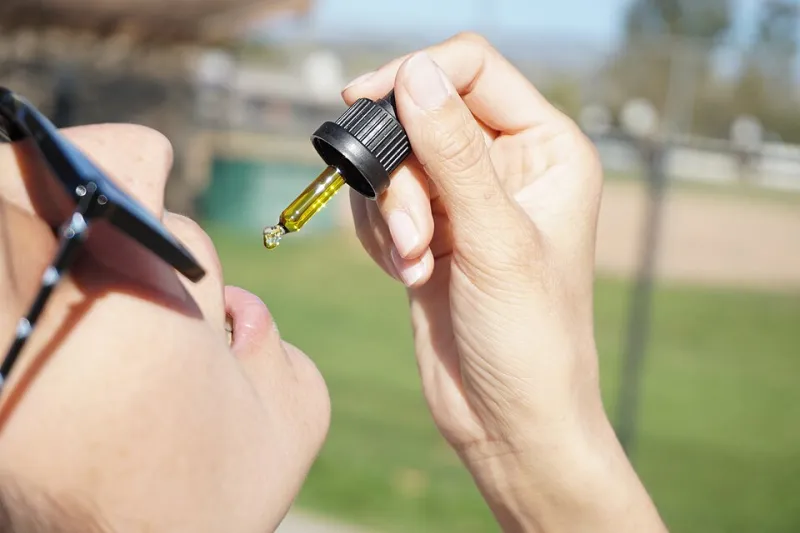
Photo: Jiafei Slay Queen, CC0, via Wikimedia Commons
There’s a familiar scene in cannabis circles: someone decides their tolerance has crept up, announces a tolerance break, white-knuckles it for four days, sleeps terribly, snaps at the dog, and then celebrates the end of the “break” with a double dose. That’s not a reset. That’s a rebound with extra steps.
Tolerance isn’t a character flaw. It’s your endocannabinoid system doing exactly what systems do—adapting to repeated input. And for mindful adults who use cannabis as part of a wellness routine, the goal usually isn’t to prove you can quit. It’s to feel the plant again without rearranging your entire life. That’s where a slow taper comes in. Think of it as a dimmer switch, not an on/off toggle.
Why Cold Turkey Often Backfires
Abrupt breaks get all the glory, but they’re not automatically kinder. If you’ve been using cannabis nightly for sleep or regularly for stress, cutting to zero can disrupt appetite, mood, and rest. Those first few rough nights feel like proof that you “need” cannabis, when really they’re just your system recalibrating. Many people respond by abandoning the break and coming back at a higher dose than before—the opposite of a reset.
A taper lowers the dose gradually enough that your body has time to adjust. It’s not glamorous. It doesn’t make for a dramatic social media post. But it’s responsible-use harm reduction in its most practical form: small, trackable changes that preserve the rituals you rely on while asking less of your cannabinoid receptors.
Start With a Baseline, Not a Broom
Before you change anything, spend seven days just noticing. Write down when you use, how much (milligrams for edibles, approximate puffs or session length for flower and vapes), the product type, and how you feel two hours later. Add a quick sleep rating and a mood rating on a 1–10 scale. A notes app works fine. So does a sticky note on the fridge.
The point isn’t to judge the numbers. It’s to see the pattern. Maybe your “one hit” evenings are actually three. Maybe your 10 mg edible is really a 10 mg edible plus a top-off vape. Baseline week is data collection, not a diet.
The 10 Percent Shuffle
Once you have a week of baseline notes, reduce by roughly 10 percent every five to seven days. If you usually take 5 mg of THC in the evening, try 4.5 mg. If you vape three times after work, try two sessions and a shorter third. If you smoke a full joint, roll a smaller one or mix in CBD hemp flower.
Small steps matter because they’re repeatable. You’re not trying to win a willpower contest; you’re trying to find the lowest dose that still does the job. For some people, that’s half of where they started. For others, it’s 20 percent less and noticeably better sleep. There’s no prize for suffering.
Keep the Ritual, Swap the Payload
Here’s the part most taper advice misses: the ritual is often as soothing as the cannabinoids. The evening joint on the porch, the tea steeped while the house goes quiet, the Saturday afternoon walk with a vape—these cues tell your brain it’s time to downshift. Yank them away and you create a vacuum.
So keep the cue and change the payload. Use a lower-THC strain. Mix high-THC flower with CBD-rich hemp flower. Brew a cannabis tea with a smaller dose. Take a single gentle puff instead of three. If your ritual is the 9 p.m. wind-down, protect the 9 p.m. wind-down. Just make the THC portion smaller. Your nervous system likes predictability, and a taper works better when it doesn’t feel like punishment.
Sleep and Mood Check-Ins
A taper isn’t just a dosing schedule. It’s a conversation with your body. Each week, rate your sleep quality, daytime mood, irritability, and appetite on a simple 1–10 scale. You’re looking for trends, not perfection.
If your sleep drops below a 4 for three nights in a row, pause the taper at your current dose for another week. If irritability spikes, consider reducing by 5 percent instead of 10 percent next time. The goal is steady progress, not a forced march. A plateau isn’t failure—it’s information.
Pacing That Respects Real Life
A realistic taper usually takes three to six weeks. That’s long enough for your system to adjust and short enough to stay motivated. But life happens. Don’t schedule a taper during a work crunch, a move, or the week your in-laws visit. If you hit a stressful stretch, hold your dose steady and resume when things settle.
Also, don’t taper just because you think you “should.” Do it because you want more sensitivity, a clearer baseline, or a healthier relationship with the plant. A half-hearted taper fueled by guilt tends to collapse. A deliberate taper fueled by curiosity tends to stick.
What to Do When You Slip
You will probably have a night where you use more than planned. That’s not a moral failure; it’s a data point. Note what happened. Was it stress? Poor sleep? A social situation? A boring Tuesday? Then return to your last comfortable dose the next day. No spiral, no “starting over on Monday.” Just pick up the taper where you left it.
When a Taper Isn’t Enough
A slow taper is a harm-reduction tool, not a substitute for professional care. If you’re using cannabis to manage anxiety, chronic pain, or insomnia and can’t step down without significant distress, talk to a clinician—ideally one who understands cannabis. If your use feels compulsive or is causing problems in your life, a taper can be part of the plan, but it’s not the whole plan. Cannabis use disorder is real, and getting support isn’t dramatic. It’s smart.
The Point Isn’t Zero
Here’s the quiet radical idea behind the dimmer switch: you don’t have to quit to reset. You can end a taper at a lower dose and stay there. You can preserve the ritual that helps you unwind while asking less of your tolerance. You can treat cannabis like a tool that deserves calibration, not a test of restraint.
At MarijuanaSpan, we’re not here to tell you to toss your stash and pretend you’re a monk. We’re here to suggest that stepping down gently—with notes, check-ins, and realistic pacing—might be the most mindful move you make this season. The dimmer switch is right there. You just have to turn it a little.