The Plate Before the Piece: Why Your Edible Hits Differently
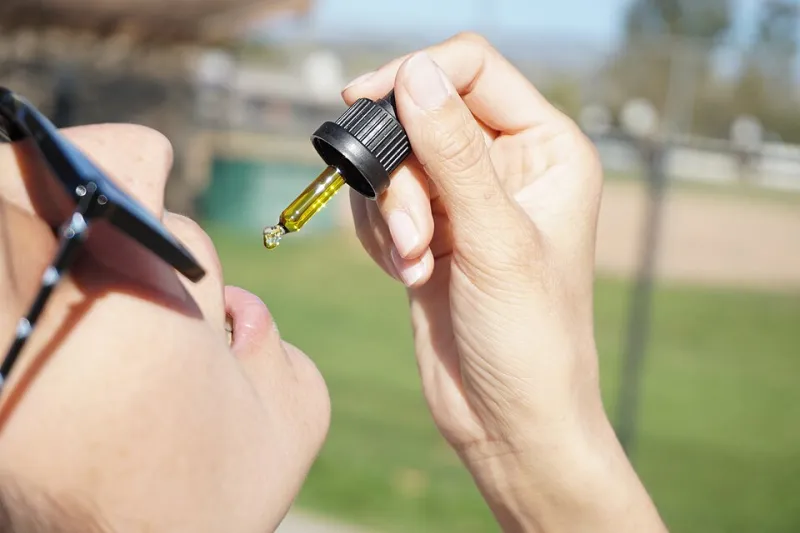
Photo: Elsa Olofsson, CC BY 2.0, via Wikimedia Commons
Most people who use edibles have had this experience: you take the same piece, the same milligram, at roughly the same hour—and one night it feels gentle and predictable. Another night it feels delayed, then sudden, then stronger than you planned. It is tempting to blame the product or your tolerance. Often, the real variable is the meal you ate before it.
This is not a mysterious loophole. It is basic digestion, liver metabolism, and timing. And once you understand those moving parts, you can stop treating edibles like a guessing game. You do not need a lab coat or a spreadsheet the size of a tax return. You need a few consistent notes and a willingness to change one thing at a time.
Same Label, Different Night
When you swallow a THC edible, it does not enter the bloodstream the way inhaled cannabis does. It takes a trip through your stomach and small intestine, then through the liver, where THC is converted into metabolites—including 11-OH-THC, which can feel more potent and longer-lasting. That journey explains the familiar edible lag: 30 minutes to two hours before onset for many people, sometimes longer depending on the food in your stomach.
A heavy meal can slow gastric emptying, which may delay the onset. A fattier meal can affect how THC is solubilized and absorbed. Your personal metabolism, sleep, hydration, alcohol use, and even the consistency of the product itself all play a role. None of this means edibles are unreliable. It means they are food-like, and food is complicated.
The Three Levers: Food, Timing, and Dose
Think of your edible experience as a three-lever system. You do not need to master all three at once. You just need to notice which lever you keep pulling by accident.
Food is the first lever. An empty stomach may mean faster onset for some people, but it can also mean a sharper, less comfortable ride. A light meal with some fat—yogurt, avocado, eggs, nut butter—may create a slower, steadier curve. A big holiday dinner can push the onset later than expected, which is how people end up taking a second dose too soon. The old rule still holds: wait at least two hours before deciding the edible did nothing.
Timing is the second lever. When you eat relative to the edible matters, but so does your day. Are you well rested? Have you been drinking? Are you dehydrated? Did you exercise? A Friday-night edible after a light dinner is not the same experiment as a Tuesday afternoon edible after a heavy lunch. The goal is not to control every variable. It is to stop stacking surprises.
Dose is the third lever. In the US, legal edibles are usually labeled per serving, but serving sizes vary by product and state rules. A piece that looks small may contain 5 mg or 10 mg. If you are experimenting with timing and food, keep the dose modest and consistent. This is not the week to try a new high-dose product. Use the same low-dose product for several trials so you are comparing food and timing, not a whole new chemical landscape.
A Simple Tracking Framework
You do not need to journal your entire life. A four-line note on your phone is enough. For each session, record:
- Date and time of the edible
- Product type and milligram amount
- Last meal: time, size, and whether it had fat, fiber, or protein
- Onset, peak, and duration—using a simple 1-to-10 comfort scale
- Anything unusual: alcohol, poor sleep, stress, strenuous exercise, stomach upset
Do this for three or four sessions with the same product. You are not looking for perfection. You are looking for patterns. Maybe you notice that a 5 mg piece after a light breakfast feels comfortable at 90 minutes, but the same piece after a heavy lunch does not show up until hour two and then feels stronger. That is useful information. It is also the kind of information a label cannot give you.
Three Low-Risk Experiments
Keep these boring on purpose. The point is to learn, not to have a story for later.
1. The standard snack test. Choose a low dose you already tolerate. On one day, take it after a small, consistent snack—something like toast with peanut butter. On another day, take the same dose after a lighter snack with less fat. Keep the time of day and activity similar. Compare onset and comfort. Do not add alcohol or a second dose.
2. The fat-pairing check. Use the same low dose twice, separated by at least a day. Pair one with a small amount of fat, like a spoonful of yogurt or a few nuts. Pair the other with a low-fat snack. Notice whether the experience feels slower, smoother, or simply later. Some people find fat helps; others find it mostly delays the show. Your body gets a vote.
3. The meal-to-edible gap. Pick a simple meal you eat often. On one occasion, take your low dose 30 minutes after finishing. On another, wait 90 minutes. Keep everything else as steady as you can. This experiment is especially useful if you have ever taken an edible after dinner and then forgotten you took it—right before it arrived all at once.
What This Means for Your Routine
Predictability does not come from finding the perfect meal or the perfect milligram. It comes from reducing the number of moving parts. A consistent low dose, a consistent window after a light meal, and a hard two-hour wait before redosing will do more for most people than any internet theory about bioavailability.
If you use cannabis for sleep, digestive comfort, or midlife stress, the food-timing variable is worth respecting. It is also worth discussing with a pharmacist or clinician if you take prescription medications, especially anything that affects liver enzymes or digestion. This article is not medical advice, and edibles are not a substitute for care.
The practical takeaway for 2026 is simple: your edible did not necessarily change. Your dinner might have. Track the plate before the piece, keep the dose low while you learn, and let repetition—not hype—teach you what predictable feels like.